Understanding Drainage Risks and Their Effect on Home Value

Homeowners frequently concentrate on interior design, landscaping, or energy efficiency when perfecting their property value, but one of the most overlooked enterprises is drainage. Poor drainage can undermine a home’s foundation, damage structures, and drastically reduce market appeal. Understanding how drainage risks influence property value can help owners take timely preventative action in guarding both their investment and their health. From flooding concerns to hidden mold problems, managing water inflow around and beneath a home is pivotal for long-term stability and resale value.
Foundation and Structural Integrity
The foundation of any domestic or marketable structure depends on stable, dry soil conditions. However, water tends to collect at the bottom of a structure if a drainage system is imperfect or inaptly designed. This redundant water weakens soil contraction, therefore causing foundation movement, wall cracks, and/or floors that buckle. Even slight changes in a foundation may undermine a property’s structural integrity, leading to repair costing tens of thousands of dollars.
Egregious foundation damage can scare buyers or make merchandisers compromise on their selling price in the real estate market. Likewise, drainage problems that cause topsoil erosion or instability of retaining walls can render a property less seductive. Frequently, similar early signs can be determined by a simple examination of gutters, downpipes, and stormwater systems, which should head off further serious damage.
Health and Environmental Risks in Homes
Drainage problems produce not only fiscal issues but also serious health hazards, especially in humid regions of Australia. Standing water or damp surroundings act as ideal breeding spots for mosquitoes, which carry conditions such as Ross River virus. Water seepage into the walls or flooring prompts mold and mildew growth, provoking allergies, asthma, and other breathing problems. In extreme cases, black mold infestations can render living spaces unsafe and require professional remediation.
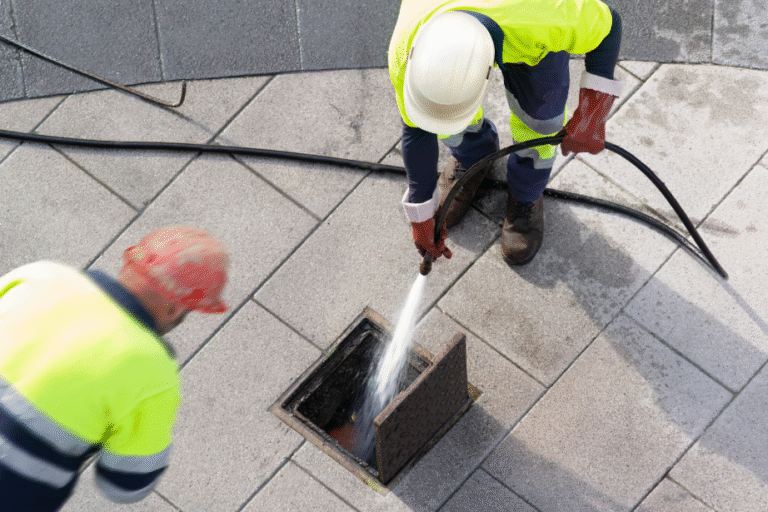
Homeowners should take action immediately once they notice persistent dampness or foul odors from drainage systems. The best approach is to hire experienced plumbers to unclog blocked drains in Sydney and inspect existing infrastructure for damage or obstructions. Proactive maintenance not only preserves a healthy indoor environment but also demonstrates due diligence, which can positively influence home valuations during property assessments.
See also: How to Prepare Your Home for a Window Replacement Job
The Hidden Cost of Neglect
Another common mistake among homeowners is that drainage problems can be left until the visible symptoms start manifesting. In all these cases, however, inaction costs more than immediate intervention. Water pooling under the floor can corrode steel reinforcements, rot timber frames, and damage electrical installations. Such repairs escalate rather rapidly, impacting insurance coverage and resale value.
Today’s consumers are better educated and will often request a property inspection report prior to making an offer to purchase. A history of flooding or water damage greatly diminishes buyer confidence and perceived value. Past drainage issues may have been fixed, but signs of the problem remain on a property’s record, thus impacting resale. Preventative measures in drainage management-including installing sump pumps, French drains, or rain gardens-are long-term financial investments.
Prevention and Long-Term Maintenance
Deprecation due to drainage problems can only be stopped by constant monitoring and conservation. Homeowners should take over periodic gutter, downspout, and yard grading checks, particularly after heavy downfalls. Clearing debris, ensuring the free inflow of water, and examining soil relocation are some of the best ways to minimize the threat. Water detectors or humidity monitors can be installed to detect hidden leaks before they become serious.
Another important aspect of long-term forestallment involves professional discussion. Qualified drainage engineers or plumbers may assess the layout of the property and recommend an effective system to handle the run-off, while flagging issues that may well be unnoticeable to the untrained eye. Investing in sustainable drainage results, like permeable paving or rainwater harvesting, contributes to environmental conservation and enhances a home’s sustainability standing.
Protecting Value Through Awareness
Understanding drainage pitfalls goes way beyond the specialized; it relates to a core element of property power and investment strategy. Proper water operation protects the structure’s foundations, maintains healthy inner air quality, and ensures a healthy living environment for the inhabitants. For Australian homeowners, the key to avoiding drainage-related issues lies in early discovery that can help avoid expensive damages, increase livability, and further resale value. Homeowners remain visionary by performing regular maintenance, seeking professional advice when necessary, and ensuring their parcels stay secure and desirable for many years.