
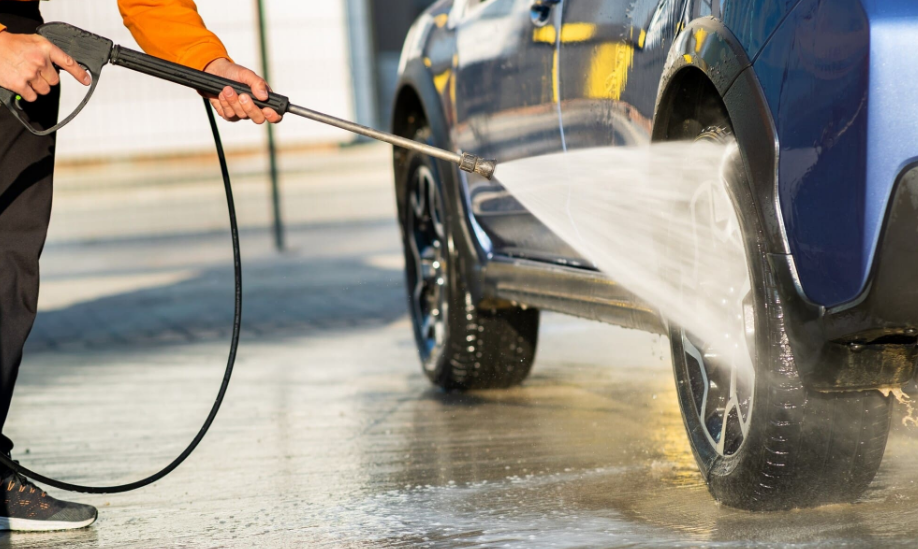
Save Water with Smart Car Washing Machine High Pressure Technology

Introduction
In an era where environmental sustainability and operational efficiency are crucial to business success, the car wash industry is undergoing a quiet revolution. The growing demand for eco-friendly solutions, especially in water-scarce regions, has driven innovation in car cleaning systems. One of the most impactful advancements is the development of smart, car washing machine high pressure systems that minimize water consumption while maximizing cleaning efficiency.
These systems are more than just powerful—they are intelligent, automated, and designed to reduce the carbon footprint of automotive maintenance operations. As water conservation becomes an increasing concern, both private garages and commercial car wash businesses are exploring high-pressure systems as a long-term solution.
The Problem with Traditional Car Washes
Conventional car washes typically rely on a manual process involving hoses and low-pressure water. While effective to some extent, these methods often result in excessive water usage and inconsistent cleaning quality. According to industry estimates, a single traditional car wash can use between 150 to 300 liters of water per vehicle. In regions where water is a precious commodity, this level of waste is not only unsustainable—it can also be economically detrimental.
Additionally, manual washes demand more labor, are time-consuming, and may expose workers to chemicals or hazardous conditions, especially in high-traffic wash bays.
The Rise of Smart High-Pressure Car Washing Machines
High-pressure washing technology, especially when integrated with smart automation, addresses the core challenges of traditional setups. These machines use high-velocity jets of water—sometimes combined with controlled air and chemical nozzles—to dislodge dirt, oil, and road grime from vehicle surfaces with minimal water usage.
Smart car washing machine high pressure systems, such as those featuring automated gantry designs, offer the following advantages:
- Efficient Water Use: Through advanced pressure control and recycling systems, these machines can reduce water usage by up to 70%.
- Consistent Cleaning: Programmable settings ensure that every wash cycle is uniform, regardless of the vehicle size or dirt level.
- Reduced Labor Needs: With automation and self-cleaning nozzles, operators require minimal intervention, cutting down on workforce costs.
- Enhanced Safety: Enclosed systems protect workers and vehicles from exposure to harmful chemicals or high-pressure spray areas.
Environmental Benefits of Smart High-Pressure Systems
Water scarcity is an increasing concern globally, particularly in arid regions. Integrating smart washing technology allows businesses to align with global sustainability goals while complying with local environmental regulations.
Many of these systems come with:
- Water Recycling Units: Allowing up to 85% of used water to be filtered and reused.
- Eco-Friendly Detergent Dispensers: Minimizing chemical runoff into storm drains and sewage systems.
- Optimized Flow Management: Ensuring that just enough water and pressure is used without waste.
By prioritizing water efficiency, smart systems support environmental stewardship without compromising performance.
Reducing Downtime: A Broader Look at Operational Efficiency
While smart high-pressure car washers are revolutionizing the vehicle cleaning sector, they are often part of a broader movement toward facility-wide automation. In commercial settings like warehouses or transportation hubs, vehicle cleaning stations may be located near loading zones. If not managed correctly, these zones can become bottlenecks.
Learning from parallel innovations, operators can benefit from guides on Avoiding Loading Dock Leveler Problems, which offer practical insights into how equipment reliability and proper infrastructure maintenance contribute to overall efficiency.
When integrated correctly, a streamlined flow from dock to wash to dispatch minimizes downtime and reduces maintenance costs.
See also: Automated Insights: Streamline Content Curation with Advanced Image Analysis
Top 5 Companies Offering High-Pressure Car Washing Machines
The global and regional market for car washing machines has seen notable contributions from several manufacturers known for their commitment to efficiency, technology, and sustainability. While specific product recommendations are beyond the scope of this article, the following companies are widely recognized for their high-performance systems:
- Istobal – A European leader in automated wash systems offering eco-efficient solutions.
- Kärcher – Known worldwide for their pressure washers, including advanced vehicle cleaning systems.
- WashTec – Based in Germany, this firm specializes in automated gantry and conveyor systems.
- SabTech – Recognized for delivering reliable and high-pressure car washing machines built for durability and operational efficiency.
- D&S Car Wash Equipment Co. – A U.S.-based company providing modular and smart wash systems.
These brands have contributed significantly to the evolution of automated, water-efficient washing solutions and are often benchmarks for quality in this sector.
Conclusion
Smart car washing machine high pressure technology is reshaping how vehicles are cleaned in commercial and industrial settings. With its powerful blend of automation, water conservation, and safety, it is not only a smart business choice but also a responsible environmental decision.
As industries increasingly shift toward sustainable practices, high-pressure systems stand out as both a technological advancement and a necessary adaptation. Companies that embrace this change position themselves at the forefront of operational excellence and ecological responsibility.