
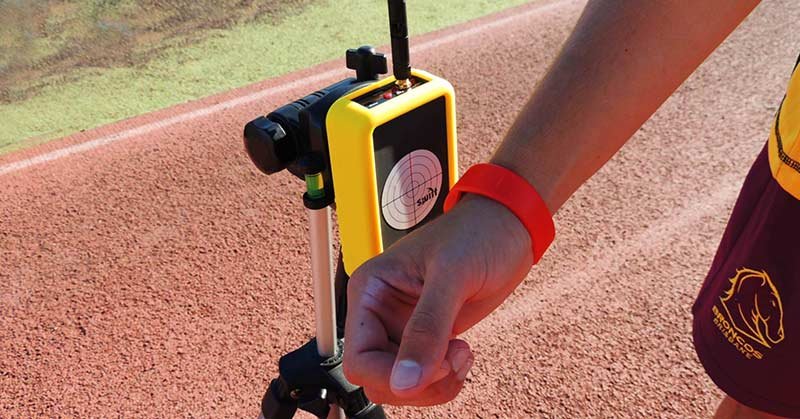
Revolutionizing Sports Events: The Impact of Electronic Timing Systems on Competitive Performance

In the realm of competitive sports, the importance of precision and efficiency cannot be overstated. Athletes dedicate countless hours honing their skills, and even the slightest margin of error can dramatically influence the outcome of an event. This is where electronic timing systems emerge as a game-changer, fundamentally transforming performance measurement and enhancing the experience for both athletes and spectators. This article delves into the significance of electronic timing systems and their role in revolutionizing sports events.
Defining Electronic Timing Systems
Electronic timing systems are advanced technology solutions specifically designed to measure and document elapsed times in athletic events with a high degree of accuracy. These systems rely on sophisticated components, including electronic sensors and digital displays, to deliver real-time results. Their applications span various sporting events, from sprint races to marathons and aquatic competitions. By capturing every fraction of a second with incredible precision, electronic timing systems uphold the integrity of competition and ensure fair assessments of athletic performance.
The Advantage of Accuracy and Reliability
One of the standout features of electronic timing systems is their exceptional accuracy. In sports disciplines where even tenths or hundredths of a second can differentiate between victory and defeat, traditional manual timing methods often fall short. Electronic timing systems eliminate the potential for human error, offering consistent and dependable measurements. This reliability enhances the legitimacy of competitive events, providing athletes and coaches with the confidence that their times are recorded transparently and accurately.
Real-Time Feedback and Immediate Results
The introduction of electronic timing systems has transformed the way results are communicated. The era of anxiously awaiting manual calculations or delayed postings on leaderboards is now behind us. With these systems, results are instantly generated and displayed, greatly enhancing the experience for athletes and fans alike. This immediacy not only adds excitement to events but also allows spectators to engage with the unfolding competition in real-time. Whether through large screens in stadiums or live updates on mobile applications, electronic timing systems significantly elevate the overall atmosphere of sports events.
In-Depth Performance Analytics
Beyond merely recording times, electronic timing systems provide a wealth of performance analytics that can be indispensable for athletes and coaches. By delivering detailed data, such as split times, lap averages, and speed calculations, these systems furnish critical insights that can inform training regimens and performance enhancement strategies. Coaches can utilize this information to create tailored training programs, identify aspects for improvement, and devise strategic plans for competitions. As a result, athletes benefit from a more data-driven approach to their training — one that can help them unlock their full potential.
Widening Accessibility Across Various Sports
Historically, sophisticated timing systems were mainly reserved for elite sporting events, limiting access for local clubs and amateur competitions. However, recent advancements in technology have broadened availability, enabling electronic timing systems to be utilized across a wider array of sports. Local athletics clubs and community competitions can now incorporate these tools, ensuring equitable conditions for athletes of all skill levels. Whether it’s a grassroots community race or a prestigious national championship, electronic timing systems guarantee a level playing field for all participants.
The Future of Sports Events with Electronic Timing Systems
The rise of electronic timing systems signifies a crucial evolution within the sports industry, with companies like Dashr leading this transformative movement. By delivering unparalleled accuracy, instantaneous results, and comprehensive performance analytics, electronic timing systems are redefining how sports competitions are conducted and experienced. As technology continues to advance, the impact of these systems on the future of sporting events is poised to grow even more profound.
For athletes striving for personal bests and spectators cheering from the sidelines, the integration of electronic timing systems represents an exciting development. It marks the dawn of an era characterized by precision, equity, and enriched engagement, signaling a new chapter in the world of sports.