
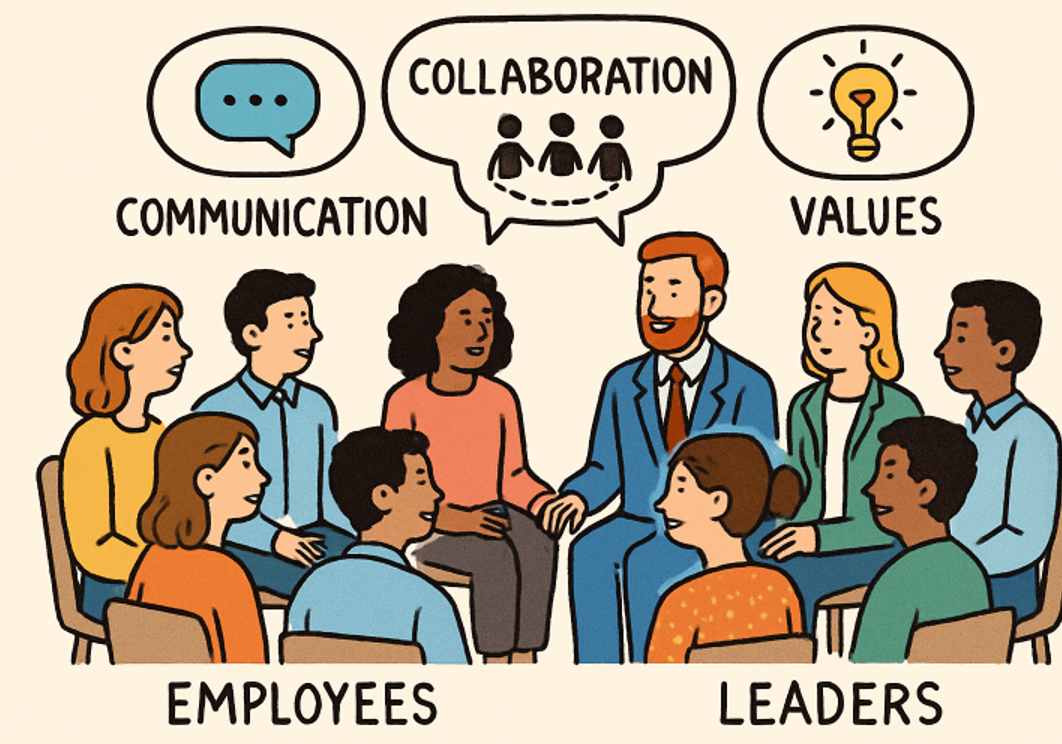
Building Strong Company Culture from the Inside Out

The Foundation of Company Culture
Company culture serves as the backbone of any organization, guiding employee behavior and influencing every facet of the business. From daily routines to long-term strategy, culture frames the context in which decisions are made. Understanding what makes a healthy company culture is crucial to achieving long-term business growth, increased productivity, and enhanced employee retention. For those interested in learning more about what company culture really means in a modern business context, it’s helpful to define company culture and explore how it impacts every level of the organization.
Rather than being limited to surface-level perks like free snacks or casual Fridays, a strong company culture evolves from shared values, mission alignment, and mutual respect. Employees who genuinely feel valued and part of a larger purpose tend to be more productive, innovative, and loyal.
The invisible elements—habits, communication style, team dynamics—often make the most significant impact. That’s why culture should be cultivated intentionally, not left to form by default. When a company lays a solid foundation based on transparency, trust, and inclusivity, it creates a supportive environment where everyone can thrive.
Companies with robust cultures are also more resilient, able to adapt quickly to change, and remain competitive in dynamic markets. According to a recent article from Harvard Business Review, organizations that make culture a core strategic focus enjoy improved agility and better employee retention rates.
Leadership’s Role in Shaping Culture
Leadership is at the heart of cultural transformation. Leaders, from executives to team managers, model the organization’s values through their daily actions and choices. Their responses to challenges, their openness to new ideas, and their ability to handle conflict all serve as examples for the broader team.
According to Forbes, modern leaders—especially CMOs—are increasingly tasked with being cultural stewards, not just operational managers. “The role of the CMO is changing—and fast. We’re no longer just managing campaigns and brand guidelines. More and more, we’re being asked to shape the culture of the companies we serve.” By demonstrating empathy, authenticity, and transparency, leaders can establish powerful precedents that positively cascade throughout the company.
Setting The Tone
Leaders set the emotional tone for the workplace. An open-door policy, regular town halls, and visible support for diversity and inclusion initiatives can all signal that leadership is invested in the well-being and empowerment of its team members. These practices cultivate trust and foster a sense of safety, encouraging employees to engage and contribute fully.
Communicating Core Values
Consistently and clearly communicating core values is critical for embedding them in everyday operations. Employees need to understand the values and why they are essential to both the business and to them personally. Providing context for these principles anchors decision-making and guides behavior across teams.
As noted by Forbes Communications Council, “Make sure that you are looking at company culture through the eyes of the employees. Explaining the ‘whys’ and not just the ‘whats’ illustrates the impact they have on the success of the organization.” When leadership takes the time to reinforce the purpose and benefits behind each value, it encourages greater buy-in and alignment from all levels.
Engaging Employees in the Cultural Narrative
Genuine cultural commitment happens when employees are active participants in building and sustaining it. Engagement in the cultural narrative can take the form of encouraging feedback through surveys and town halls, supporting cross-departmental collaboration, and empowering employees to launch initiatives that reflect shared values.
Recognition and open communication platforms can help surface employee stories and successes, weaving individual contributions into the larger company story. When employees see themselves reflected in the company’s culture, they feel a stronger sense of ownership and purpose.
Harvard Business Review highlights that inclusive cultures, where every voice is heard, drive innovation and growth. How Inclusive Cultures Drive Business Growth underscores the direct link between inclusive environments and tangible business outcomes.
See also: Microsoft Dynamics Partners and the Green Tech Sector: Building Sustainable ERP Frameworks
Recognizing and Rewarding Alignment
Acknowledgment of employees who embody company values is a powerful tool for reinforcing those standards. Recognition doesn’t have to be elaborate—sometimes a heartfelt thank you, shout-outs in meetings, or spot bonuses can make all the difference in building morale.
“Highlight wins as they happen—whether the win is big or small. This does a couple of things: 1. It provides recognition for the employees involved; 2. it shares what’s going on in the company with other team members; and 3. it makes employees feel good about something, which can translate into other positive experiences,” recommends the Forbes Communications Council. Systematic recognition programs, paired with transparent criteria, help cement desired behaviors and keep the culture moving in the right direction.
Continuous Evolution and Adaptation
Company culture must evolve in tandem with the organization to remain relevant. Regular assessments—utilizing surveys, focus groups, and cultural audits—enable companies to track progress and identify areas for improvement. Keeping culture adaptable ensures it never stagnates or becomes disconnected from reality.
As the business landscape shifts, so must internal practices and values. Companies that take culture seriously know that adaptation isn’t a sign of weakness, but a proven pathway to resilience. Remaining flexible enables organizations to support new forms of collaboration, remote work arrangements, or diversity initiatives as they emerge.
Conclusion
Building a strong company culture from the inside out is a continuous journey that involves intentional leadership, transparent communication, engaged employees, and consistent recognition. When cultivated with care, these foundational elements combine to create a workplace where trust, purpose, and motivation thrive, aligning people toward a shared vision of success.